
AI Search Optimization (AI SEO): The Complete Guide for Businesses in 2026
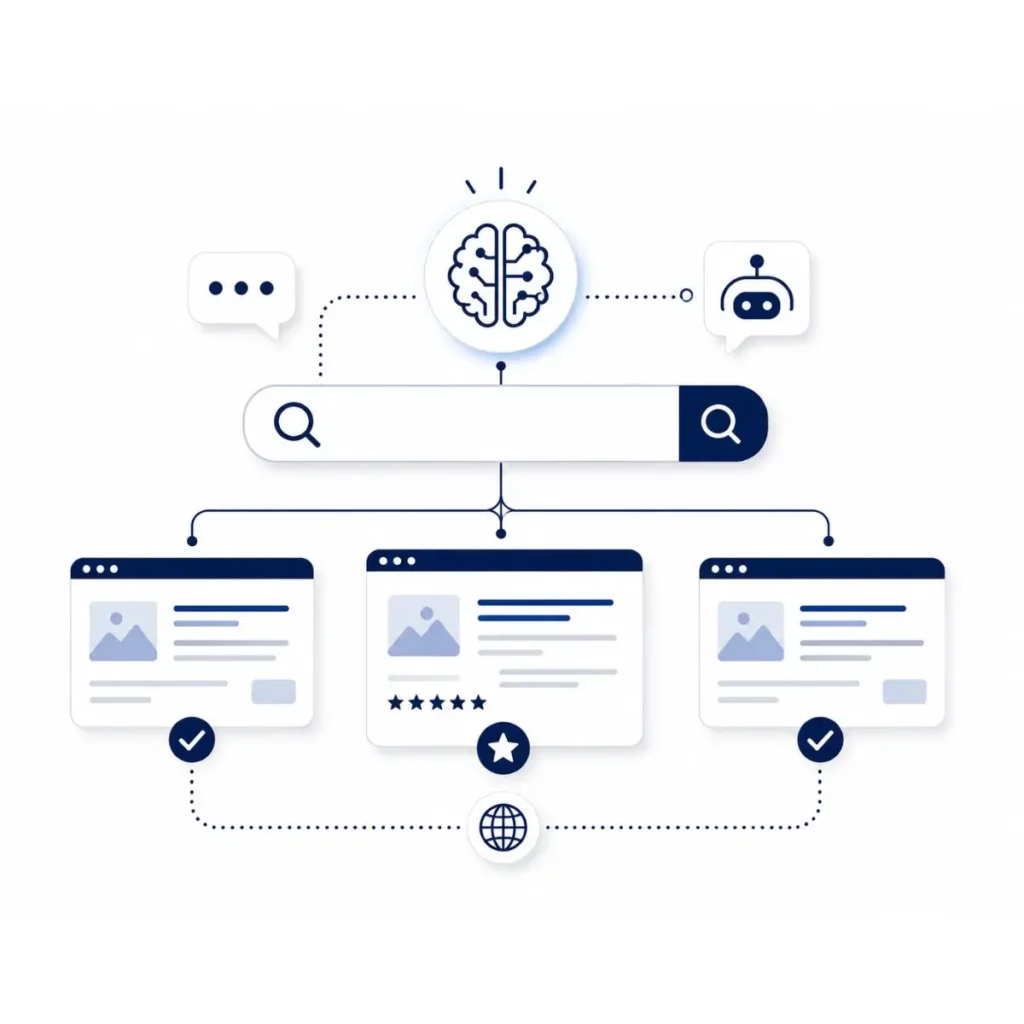
The way people search for information is changing rapidly. Earlier, users depended mainly on Google search results by typing keywords and clicking websites. But today, AI-powered search is changing this experience completely.
With technologies like Google AI Search, ChatGPT Search, and other AI-driven platforms, users are getting direct answers instead of only a list of web pages.
This change has introduced a new concept called AI Search Optimization (AI SEO).Businesses that want to improve their online visibility in 2026 cannot focus only on traditional SEO strategies. They need to understand how AI search works and how their content can become a trusted source for AI-generated answers.
In this guide, we will explore what AI Search Optimization is, why it matters, and how businesses can prepare their websites for the future of search.
What is AI Search Optimization?
AI Search Optimization (AI SEO) is the process of optimizing your website, content, and online presence so that AI-powered search engines can understand, recommend, and display your information in AI-generated responses.
Traditional SEO focuses mainly on ranking webpages on search engine result pages (SERPs).
AI SEO focuses on making your brand visible in:
- AI-generated answers
- Conversational search results
- AI assistants
- Generative search experiences
For example, when a user asks:
“Who is the best digital marketer in Thrissur?”
AI search systems analyze multiple sources and provide recommendations based on content quality, authority, relevance, and trust signals.
The goal of AI SEO is not only ranking on Google but also becoming a reliable information source for AI systems.
Why AI Search is Changing SEO
From Keyword Ranking to Answer Visibility
For many years, SEO was mainly about keywords, backlinks, and rankings.
Businesses focused on questions like:
- Which keyword should I target?
- How can I rank number one on Google?
- How many backlinks do I need?
But AI search is changing this approach.
Modern AI systems understand:
- Search intent
- Context
- User problems
- Brand authority
- Content quality
Instead of only matching keywords, AI search tries to provide the most useful answer.
This means businesses need to create content that genuinely helps users rather than creating content only for search engines.
The Rise of AI-Powered Search Experiences
AI-powered search platforms are creating a new way for users to discover brands.
People are now asking complete questions instead of searching with short keywords.
Example:
Traditional Search:
“Best SEO services Kerala”
AI Search:
“Which SEO agency in Kerala helps small businesses improve online visibility?”
This shift means businesses need to optimize content around real customer questions and problems.
AI SEO vs Traditional SEO: What’s the Difference?
Traditional SEO
Traditional SEO focuses on improving website rankings through:
- Keyword optimization
- Technical SEO
- Backlinks
- Website speed
- Content optimization
The main goal is:
Getting higher rankings in search results.
AI Search Optimization
AI SEO focuses on:
- Creating authoritative content
- Improving brand trust
- Answering user questions
- Building topical authority
- Using structured data
- Improving online credibility
The main goal is:
Getting recognized as a trusted source by AI systems.
Both SEO and AI SEO are important. Traditional SEO builds your search foundation, while AI SEO prepares your business for future search experiences.
Best AI Search Optimization Practices for Businesses
1. Create Helpful and Experience-Based Content
AI systems prefer content that demonstrates real experience and expertise.
Instead of writing generic articles, businesses should include:
- Practical examples
- Personal experiences
- Case studies
- Industry insights
- Real solutions
For example, a digital marketing agency can create content about:
“How we improved website visibility using SEO strategies”
This type of content builds trust and authority.
2. Focus on E-E-A-T Principles
Google and AI systems value content quality through E-E-A-T:
Experience
Showing real-world knowledge and practical experience.
Expertise
Providing accurate and valuable information.
Authoritativeness
Building recognition in your industry.
Trustworthiness
Creating transparent and reliable content.
Businesses should optimize:
- Author profiles
- About pages
- Reviews
- Case studies
- Professional credentials
3. Optimize Content for Search Intent
Understanding user intent is one of the most important AI SEO strategies.
Before creating content, ask:
- What problem is the user trying to solve?
- What information do they need?
- What questions might they ask next?
Content should answer complete user journeys instead of targeting only one keyword.
4. Use Structured Data and Schema Markup
AI search engines need clear information about your website.
Structured data helps search engines understand:
- Business information
- Services
- Reviews
- Articles
- FAQs
Adding proper schema markup improves how search engines interpret your content.
5. Build Strong Brand Authority
AI systems are more likely to recommend brands that have strong online credibility.
Businesses can improve authority through:
- Quality backlinks
- Social media presence
- Customer reviews
- Expert content
- Industry mentions
A strong digital presence increases the chances of being recognized in AI search results.
Common AI SEO Mistakes Businesses Should Avoid
1. Publishing Only AI-Generated Content
AI tools can help with content creation, but completely automated content often lacks:
- Personal experience
- Unique insights
- Brand personality
Businesses should use AI as an assistant, not a replacement for human expertise.
2. Ignoring Technical SEO
AI SEO does not replace technical SEO.
A website still needs:
- Fast loading speed
- Mobile optimization
- Clean website structure
- Proper indexing
- Secure connection
A technically strong website creates a better foundation for AI visibility.
3. Creating Content Without Real Value
Publishing many low-quality articles will not build authority.
AI search systems are becoming smarter at identifying useful and trustworthy information.
Quality always matters more than quantity.
The Future of AI Search Optimization
AI Search Optimization is not replacing SEO. Instead, it is becoming the next evolution of SEO.
In the future, businesses will need to focus on:
- AI visibility
- Brand authority
- Helpful content
- User experience
- Search intent optimization
Companies that start adapting early will have a competitive advantage.
The future of search belongs to businesses that can provide accurate, valuable, and trustworthy information.
Conclusion
AI Search Optimization (AI SEO) is becoming an essential digital marketing strategy for businesses in 2026.
Traditional SEO helps your website rank, but AI SEO helps your brand become a trusted answer source in the new era of search.
By creating high-quality content, improving E-E-A-T signals, optimizing user experience, and building authority, businesses can improve their visibility across AI-powered search platforms.
The future of SEO is not only about being found.
It is about being trusted, recommended, and recognized by AI search systems.
Frequently Asked Questions AI Search Optimization
What is AI Search Optimization (AI SEO)?
AI Search Optimization (AI SEO) is the process of optimizing your website, content, and digital presence to improve visibility in AI-powered search results. It helps search engines and AI platforms understand your content better and recommend your business when users search for relevant information.
Unlike traditional SEO, AI SEO focuses on content quality, search intent, brand authority, E-E-A-T, and AI visibility to improve your chances of appearing in AI-generated answers.
Why is AI Search Optimization important for businesses in 2026?
AI Search Optimization is becoming important for businesses in 2026 because users are changing how they search online. Instead of searching only with keywords, people are asking detailed questions through AI-powered search platforms.
Businesses that implement AI SEO strategies can improve:
- Online visibility
- Brand authority
- Organic search presence
- AI search rankings
- Customer discovery
Companies that adapt early to future SEO trends and AI search marketing can gain a competitive advantage.
What is the difference between Traditional SEO and AI SEO?
Traditional SEO focuses on improving website rankings through:
- Keyword optimization
- Technical SEO
- Backlink building
- Website performance
- On-page SEO
AI SEO focuses on improving visibility in AI-generated search results by using:
- Helpful content
- User intent optimization
- Semantic search
- Structured data
- E-E-A-T signals
- Brand credibility
The future of search requires businesses to combine traditional SEO strategies with AI Search Optimization techniques.
How can businesses optimize their website for AI Search?
Businesses can improve their AI Search Optimization strategy by following these best practices:
- Create high-quality, original content
- Answer customer questions clearly
- Optimize content for search intent
- Build topical authority
- Improve E-E-A-T signals
- Add schema markup
- Maintain technical SEO standards
A website that provides accurate and valuable information has a better chance of being recognized by AI search systems.
Does AI Search replace traditional SEO?
No, AI Search does not replace traditional SEO. Instead, AI SEO is the next evolution of search engine optimization.
Traditional SEO helps websites rank on search engines, while AI Search Optimization helps brands become trusted sources in AI-generated answers.
Businesses should focus on both SEO and AI SEO to achieve long-term online visibility.
How does AI Search decide which websites to recommend?
AI search platforms analyze multiple factors before providing answers, including:
- Content relevance
- Website authority
- Brand reputation
- Content accuracy
- User experience
- Expert knowledge
- Online trust signals
Websites with strong E-E-A-T optimization and authoritative content have better opportunities to gain AI search visibility.
Can small businesses benefit from AI SEO?
Yes, small businesses can benefit greatly from AI SEO strategies.
By creating valuable content, optimizing local SEO, collecting customer reviews, and building online authority, small businesses can improve their chances of appearing in AI search results.
AI Search Optimization allows businesses to compete by demonstrating expertise and trust rather than only competing through advertising.
Is AI-generated content effective for AI Search Optimization?
AI-generated content can help with research, ideas, and productivity, but businesses should add human expertise and real experiences.
AI search systems prefer content that provides:
- Unique insights
- Real examples
- Expert opinions
- Practical solutions
The best approach is combining AI tools with human creativity and SEO expertise.
What are the best AI SEO strategies for businesses in 2026?
The best AI SEO strategies for 2026 include:
- Creating helpful and people-first content
- Optimizing for conversational search queries
- Building topical authority
- Improving website experience
- Using structured data and schema markup
- Strengthening brand authority
- Creating content that answers real customer problems
These strategies help businesses improve their AI search visibility and organic growth.
What is the future of AI Search Optimization?
The future of AI Search Optimization will focus on trust, authority, and user experience.
As AI-powered search continues to grow, businesses need to move beyond traditional keyword ranking and focus on becoming reliable information sources.
Brands that invest in AI SEO, content authority, and digital trust will have stronger opportunities in the future of search.